Valve rolled out the Animgraph 2 beta to cut animation CPU and network costs
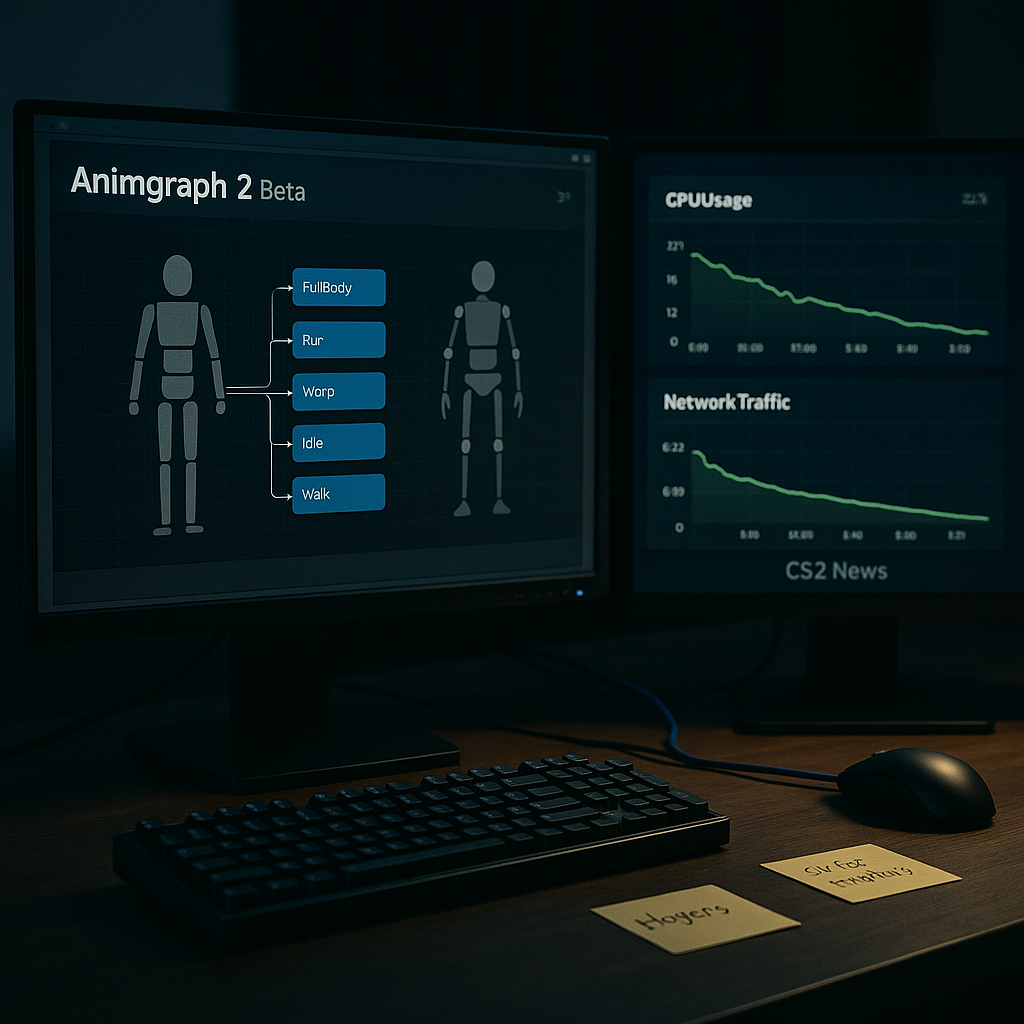
Valve has rolled out the Animgraph 2 beta to address animation processing and the overhead that animations can impose on both CPU and network resources. The change is presented as a refinement of how animations are evaluated and transmitted across clients and servers. For players and content creators, understanding the goals and likely effects of this update can help set expectations and guide testing or optimization efforts.
What Animgraph 2 aims to change
At a conceptual level, Animgraph 2 represents an iteration on animation systems used in modern game engines. Animation graphs define how character or object animations are blended, transitioned, and evaluated in response to game state. Improvements to that system typically focus on reducing the amount of work needed per frame and minimizing redundant or costly calculations.
Another common target for animation updates is the way animation state is synchronized over the network. Reducing the frequency or volume of animation data that needs to be sent can lower bandwidth usage and decrease the chance of animation-related stuttering on clients with constrained network conditions. A beta release provides an opportunity for developers and community servers to evaluate these effects in real conditions.
Practical effects for players and servers
Players may notice smoother frame pacing or reduced CPU usage in situations where animation processing was previously a bottleneck. Changes that streamline evaluation paths or remove redundant animation blends can free up CPU cycles for other game systems, which may indirectly improve frame rate stability.
On the network side, optimizations to animation state transmission can reduce the amount of data sent per tick or the need to send frequent small updates. This can be beneficial on servers with many actors and animations, where the cumulative network load of animation updates could be significant. Reduced network overhead for animations may help maintain consistent gameplay experience under varied network conditions.
Implications for content creators and server operators
Map makers, modders, and server administrators will want to test how their custom content behaves under the new animation system. Complex scripted sequences, custom entities, and bespoke animation blends are areas where behavioral differences might appear. Testing in a controlled environment helps identify any regressions or opportunities for further optimization.
Server operators should also pay attention to tools and settings that affect update rates and interpolation. Where possible, comparing server performance metrics and observed client experience before and after enabling Animgraph 2 can clarify whether the update reduces CPU and network usage for a particular configuration. Having a fallback plan or rolling changeouts in stages is a prudent way to evaluate impact without disrupting communities.
How players can approach the change
From a player perspective, there is little need for manual intervention, but being aware of possible differences helps. If you encounter unexpected animation behavior, reporting it with clear reproduction steps assists developers and maintainers. Gathering consistent observations from multiple users on different hardware and network setups helps paint a fuller picture of the update’s effects.
Players interested in performance can also pair this update with routine client-side checks. Ensuring drivers are up to date, closing unnecessary background applications, and using recommended in-game performance settings remain useful practices regardless of animation system changes. These steps can reveal whether any perceived improvements come from the animation update or from other system tweaks.
Longer term considerations
Animation systems evolve incrementally. Beta stages allow developers to collect real-world feedback and address edge cases before making a wider rollout. Improvements that lower CPU and network demands for animations can enable richer scenes, more players or entities on servers, and a smoother overall presentation, but careful validation is required to ensure compatibility with existing content and workflows.
For the community, the key takeaway is to approach the beta with measured testing and clear reporting. Developers and content creators will benefit from performance comparisons and detail on any changes in animation behavior, while players will benefit from the smoother experience these improvements aim to deliver.
Conclusion
Animgraph 2 beta represents a focused effort to reduce the computational and network costs associated with animation handling. While the technical details of implementation are part of the developer domain, the practical outcomes are what matter to users: potential reductions in CPU and network load, smoother frame pacing, and more efficient synchronization of animated entities.
Testing, observation, and constructive feedback during the beta period will help ensure the update meets its performance goals without unintended side effects. Maintaining awareness of how animations interact with other systems remains important for players, server operators, and content creators alike.