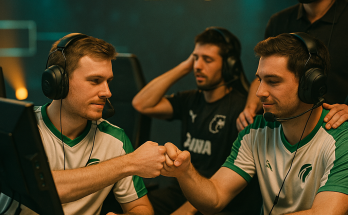
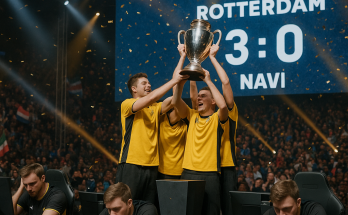
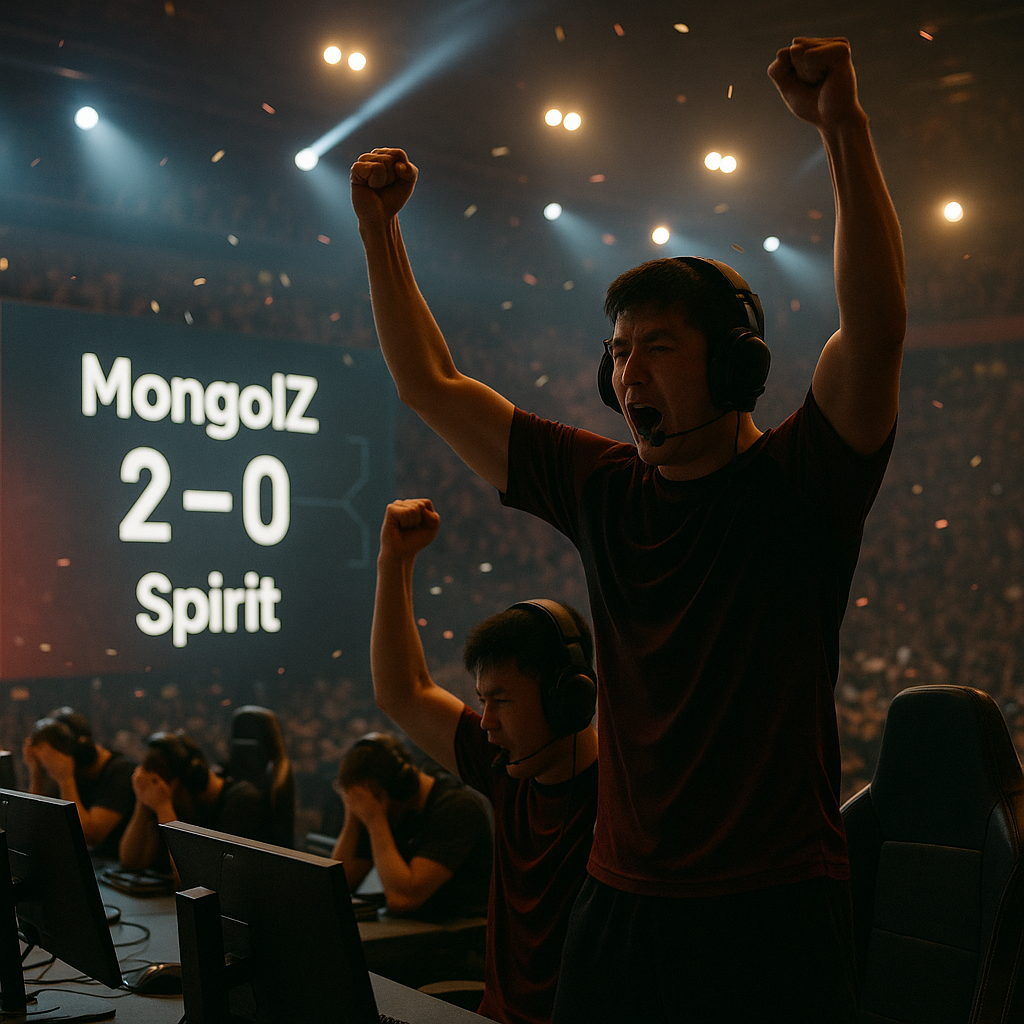
The MongolZ knocked out Spirit 2-0 in one of Rotterdam’s biggest surprises
Upsets are an intrinsic part of competitive Counter-Strike 2. When a less-favored team defeats a recognized opponent in a high-stakes setting, the result resonates beyond the scoreboard. It becomes a moment for analysis, learning, and reflection for players, coaches, and fans.
In this article we look at evergreen explanations for why such surprises occur, what practical lessons teams can draw from them, and how these moments shape the broader scene and community engagement without relying on specific match statistics or temporal claims.
Why upsets happen: situational and structural factors
Competitive matches are complex interactions of preparation, adaptation, and execution. An upset often begins with a combination of situational variables that temporarily level the competitive field. These can include map choices that favor one team s stylistic strengths, an opponent experimenting with new approaches, or simply a mismatch between expectation and in-game circumstances.
Another structural factor is the difference between long-term form and short-term performance. A team that looks consistent over many events can still have off moments, while a motivated underdog may bring fresh energy and unpredictability. The neutral nature of tournament play, where each match carries its own momentum, makes it possible for these short-term advantages to translate into decisive results.
Tactical and mental elements that enable surprise results
Tactically, an upset can stem from effective map vetoes, surprising utility usage, or tailored strategies that exploit an opponent s tendencies. Smaller teams often benefit from novel approaches because established opponents may have less scouting material on them, making it harder to prepare precise counters.
Mental readiness plays an equally important role. Underdog teams can channel lower external expectations into focused, fearless play. Conversely, favorites may face pressure to perform, which can affect decision making and risk tolerance. Managing nerves, maintaining clarity in communication, and sticking to a game plan are recurring themes in matches that swing unexpectedly.
Coaching input and in-match leadership also matter. Rapid tactical adjustments and calm in-game calls can turn tight rounds into momentum swings. Teams that adapt quickly to evolving situations tend to capitalize on moments when opponents hesitate or overcommit.
Broader significance for teams, fans, and the scene
Surprising eliminations impact team narratives and tournament storylines. For the winning side, an upset can validate their preparation and bolster confidence, while for the defeated team it prompts reassessment. Both outcomes are valuable for long-term development when approached analytically rather than emotionally.
From a fan perspective, upsets create memorable moments that stimulate discussion and engagement. They highlight the unpredictable nature of esport competition, encouraging deeper interest in tactics and player development. Community conversations often focus on what was learned and how teams might evolve afterward.
There is also an indirect connection to in-game ecosystems and cosmetic markets. High-profile matches and surprising results can shift attention and interest, influencing what fans follow and collect. This influence is general and cyclical: notable matches raise awareness, and that awareness can renew engagement with in-game content and events tied to competitive calendars.
Lessons for teams seeking consistency
Teams aiming for stability should emphasize adaptable strategies, comprehensive scouting, and routines that preserve mental focus. Preparing a versatile map pool and practicing multiple tactical variations reduces the chance that opponents can exploit predictability.
Investing in communication drills, stress management, and scenario-based training helps players respond better under pressure. Regular debriefs that identify patterns rather than blaming individuals are useful for turning surprise losses into structured improvements.
Coaching staffs can benefit from fostering a culture that values experimentation in lower-stakes settings, so that novel ideas are refined before they are needed on the biggest stages. Balancing innovation with proven methods creates resilience against both unexpected opponents and shifting match conditions.
Conclusion
Upsets like the one described are reminders of Counter-Strike 2 s dynamic nature. They arise from a mix of tactical ingenuity, psychological factors, and situational variables. Rather than being anomalies to dismiss, such results offer useful insights into preparation, adaptability, and the human elements of competition.
For teams and coaches, the constructive response is to analyze processes, not just outcomes. For fans and community members, surprise matches enrich the narrative tapestry of the sport and deepen engagement with the tactical and social aspects that make competitive play compelling.