PGL Astana’s main event is set for May after the early-April regional qualifiers
The announcement that regional qualifiers took place in early April and the main event is scheduled for May creates a clear timeline for teams, organizations, and the broader Counter-Strike 2 community. This kind of schedule shapes preparation windows, travel logistics, roster decisions, and the flow of competitive momentum. Without relying on specific results or figures, it is useful to consider the general implications of such a structure and practical guidance for different stakeholders.
Introduction: the cadence between qualifiers and the main event
A gap between regional qualifiers and a main event provides a predictable rhythm to the competitive season. Teams that advance have a defined period to refine their approach, while other teams can use the interval to reassess and plan future attempts to qualify for similar events. For smaller organizations and independent teams, the scheduling also creates opportunities to optimize training and resource allocation in a concentrated timeframe.
From an organizational perspective, having qualifiers in one month followed by a main event in the next simplifies planning for venues, media partners, and logistics. For players and coaches, that cadence emphasizes intense short-term preparation rather than protracted periods of uncertainty.
Section 1: Preparation and competitive readiness
When regional qualifiers conclude well in advance of a main event, teams can tailor their practice plans to the time available. Short windows often favor disciplined routines: focused scrimmage schedules, map-specific work, and staged review sessions. Coaches can prioritize shoring up weaknesses revealed during qualifiers while maintaining strengths that proved effective.
Even without specific match information, general practice principles apply. Balancing review of recent qualifier performances with fresh tactical work helps teams stay adaptive. Physical and mental recovery is also important; condensed competitive periods can be demanding, so structured downtime and targeted fitness or mental training can contribute to consistent performance.
Section 2: Roster and strategic considerations
The interval between qualifiers and a main event is a natural time for teams to evaluate roster fit and strategy. Organizations may use this period to finalize contract details, confirm travel readiness, and ensure support staff are aligned with the competitive plan. From a tactical standpoint, teams can refine map pools and set plays that demonstrated value during qualifiers while experimenting in practice to add unpredictability.
Teams that did not qualify can still benefit by using the time to address systemic issues identified during qualifiers. Stability in practice partners and coaching staff can accelerate growth; likewise, targeted scrims against teams with complementary styles can expose areas for improvement. Overall, the period is less about wholesale change and more about purposeful refinement.
Section 3: Fan experience, broadcasting, and the wider ecosystem
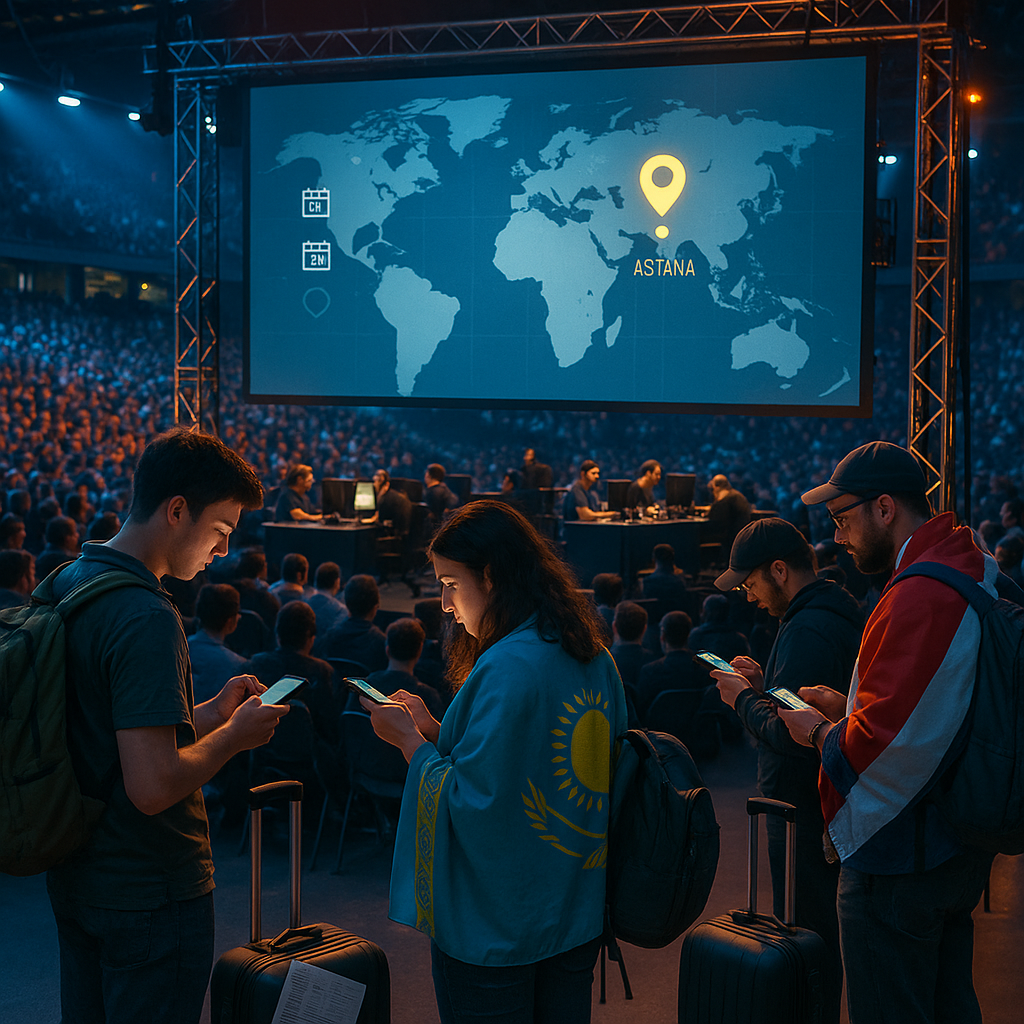
A clear schedule between qualifiers and the main event helps fans plan viewing and attendance. Predictability supports community engagement, from watching streams to discussing potential matchups. Broadcasters and content creators also gain time to produce previews, analysis, and feature content that enriches the lead-up to the main event.
There are ancillary considerations for the in-game economy and collectibles. Players and collectors often consider timing for acquiring or trading in-game items around major events. A measured approach to collecting, focusing on personal enjoyment and budgetary prudence, tends to serve collectors best. For those interested in maximizing value when interacting with secondary platforms, general advice includes researching market behavior, avoiding impulsive purchases, and comparing options before committing funds. Emphasizing security and understanding platform policies is also important when engaging with third-party services.
Conclusion: making the most of the window between qualifiers and the main event
The period between early-April regional qualifiers and a main event in May is a concentrated opportunity for preparation and planning. Teams can use the interval to refine strategies, ensure logistical readiness, and maintain player well-being. Organizations can lock down operational details and support structures. Fans and creators benefit from a predictable timeline that enables deeper engagement and content planning.
Across the ecosystem, the key is intentionality: focused practice, careful decision-making around roster and resources, and prudent choices for participation in ancillary markets. These principles apply broadly and can help all stakeholders approach a major event with clarity and confidence.